Implementing some Online Hygiene
Nothing on the internet is private. We all know that. But to what extent is it not private? And are we powerless to do anything about it?
I personally don't know. But I'm sure it's something we should all look into and inform ourselves on, instead of just burying our heads in the sand while Big Tech seruptisiouly practice anti-consumer and downright creepy behaviours; all for the sake of our exploitation and their profit.
I highly recommend a YouTube channel called Reject Convenience who has a lot to say about online privacy and the dodgy (and yet completely normal) practices of modern tech companies. I also watched this video by Ivan Banov which offerered the motivation to make the changes I've listed on this post.
Online privacy necessarily requires good security practices, which I think every Tom, Dick, and Harry (myself included) need to work on.
So, below are some (initial) changes I'm making to my online presence and practices. Note that I'm not an expert in this sort of stuff, but I think it's worth sharing anyway.
Let's get started with the low-hanging fruit:
Limiting social media
Social media isn't in the business of promoting socialisation. It's in the business of maximising engagement, screen time, and advertising.
To keep you glued to the screen, they track nigh on every aspect of your usage of their platform to build an idea of who you are, and then serve you content tailored to excite or enrage you.
To advertise to you, they track nigh on every aspect of your usage of their platform to build an idea of who you are, and then serve you adverts tailored to entice you.
To inflate their bottom line, they track nigh on every aspect of our usage of their platform to build an idea of who you are, and then sell that information on to a plethora of third parties.
If you aren't paying for a service, then you are the product.
If you want to remain private on the web and free from political or institutional influence, then social media should pretty much be avoided entirely.
I have many opinions on modern social media (many of which are negative) and they'll most likely kindle a future blog post. See Feeding the Fire: Psychology, Engagement, and Algorithmic Media by Technically Good for a fun and very much related read.
So -- I've deleted pretty much all social media. My Instagram account remains, but I try to use in on my PC only. I still use YouTube regularly because I think I'd literally die without it.
There are some privacy friendly alternative platforms, but none of my friends know about them or use them, so that seems to be a no-go.
The other benefit to shunning the big platforms is that I'll be less tempted to doom-scroll my life away.
Exploring alternative services
Like a lot of people, I find myself trapped in the tar that is Google's ecosystem. Google Photos, Google Drive, Gmail, Google Maps, the list goes on. A lot of others find themselves in one tar pit over: that of Apple's ecosystem. These tools and services are well-established and convenient, but there are alternatives.
I personally don't want Google to be able to read all my emails (which it currently does) or flick through all my Keep notes (which is currently does). The more I think about it, the more dystopian it feels. I have pay slips and confidential work information in my inbox which can be read, summarised, packaged, and sold on to third parties, including credit scoring agencies.
So -- I'm slowly jumping ship to Proton Mail. I also now use Proton Drive to back up my files. These emails and files won't be read by anyone but me, which is how it always should have been.
Also, I don't want ads in my emails! And if I was okay with having ads, I wouldn't want them to visually emulate surrounding emails!
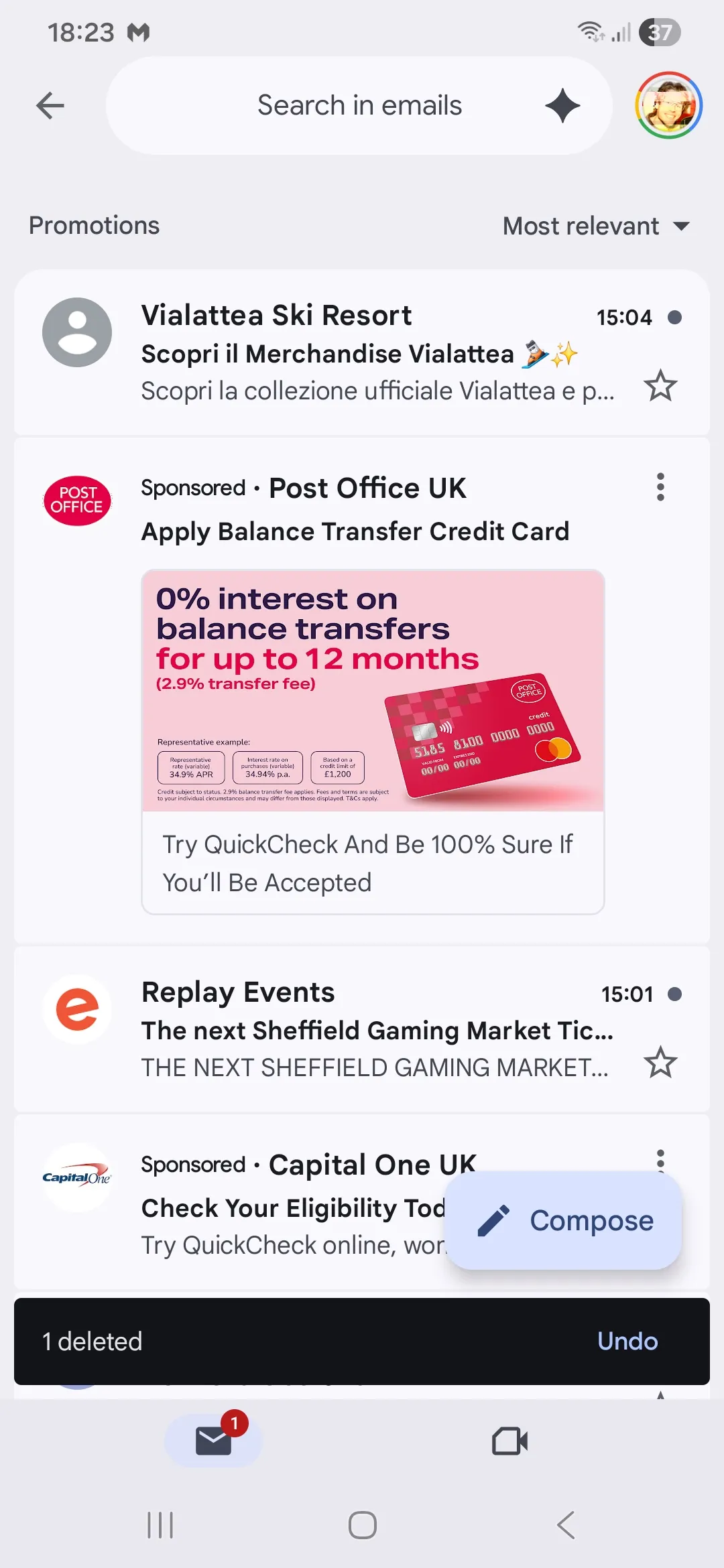
Google photos remains for the time being, because I regularly use it's social/sharing features with friends and family. The cost of switching is just too high at the moment.
Using a password manager
I'm finally starting to use secure, randomly generated passwords that look like this:
D#fxhrg8ny@9RXDgS3
instead of my usual password which, in my defence, wasn't the exact same across all sites: it was the first two letters of the service (e.g. "pi" for Pinterest) followed by a fixed string with a healthy dose of numbers and symbols. Which isn't as insecure as it could be, but also just isn't nearly as secure as it could be with a password manager (Proton Pass in my case).
Not pasting my face all over the place
I guess this one's a bit more personal, but I'm currently considering limiting the number of photos of myself that I post online, especially those with metadata that were taken at sensitive locations (e.g. at home).
Furthermore, I'm looking at replacing my various profile pictures with glitched alternatives (see my bio page for an example).
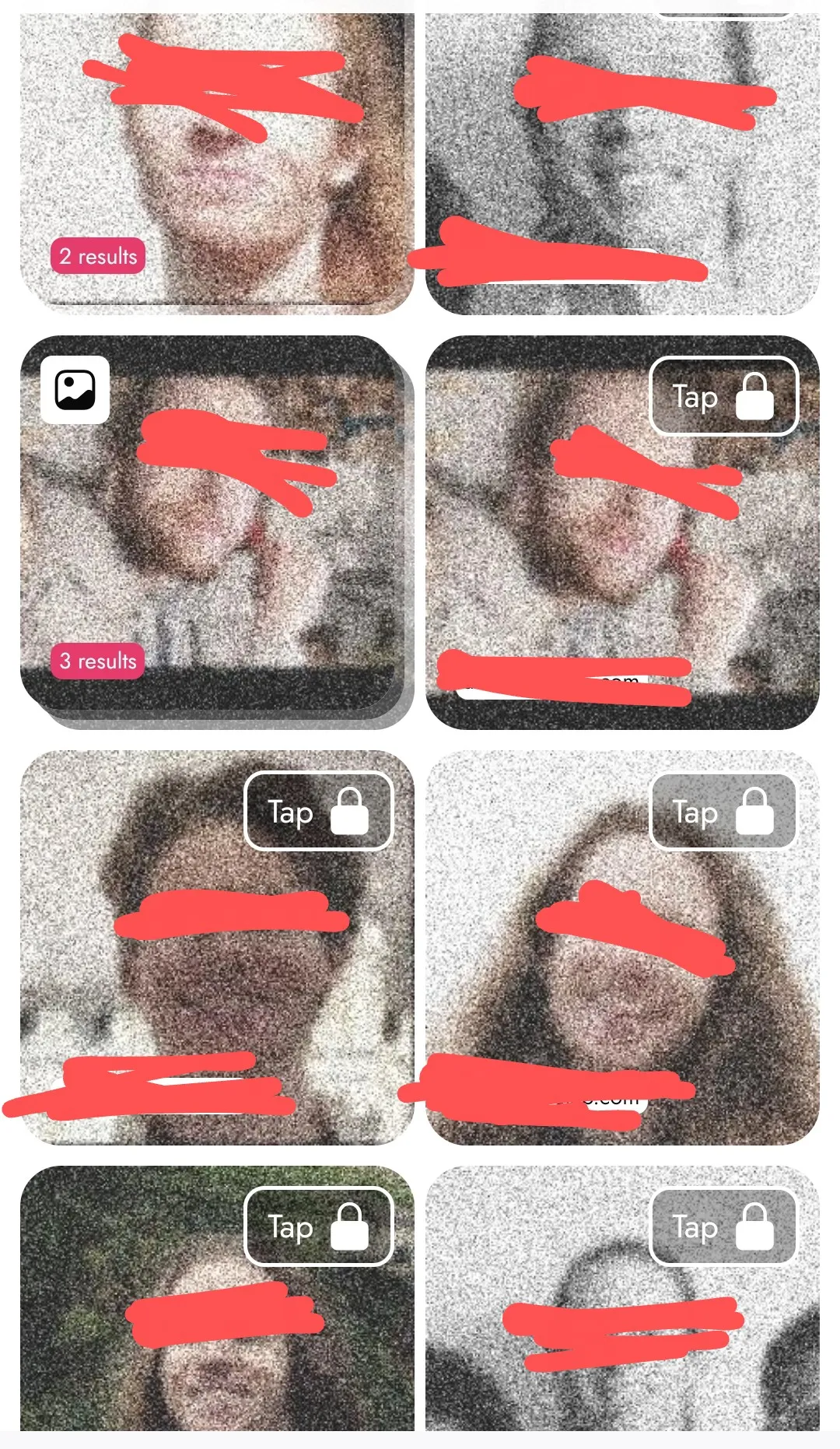
This may sound a little paranoid, but my intent is to limit the aggregation of my face by services such as PimEyes. If you haven't yet, do a reverse image search of your face on their site. I did one and was a little creeped out by the results. Information like where I work, the towns in which I've lived, club associations, and even who my girlfriend is, can all be inferred from these results.
Impartial searching
It's well known that Google manipulates search results. See this article by the WSJ.
So -- I'm currently trailing Kagi as an alternative. So far I'm really liking it! It's really refreshing to have the first 3-5 results actually being results, not promoted hits or ads. I also like how they value and promote the small web
The browser I'm using is Firefox with the uBlock Origin plugin installed. I was looking at using Brave, but for some bizarre reason, the Android app doesn't let you set custom search engines and Kagi isn't in their pre-populated list.
Conclusion
I've not mentioned VPNs because, to my knowledge, they're only really useful in specific circumstances and for location spoofing.
I expect the migration away from some of my Google services to be slow and even painful at times. But for me at least, I think it's worth it. I'll post an update some time in the future if I make any more changes or fail to implement any of these I've mentioned.
Just as we need to stay healthy and practice a little preventive maintenance in our physical lives, so too should we practice digital hygiene in our online lives.
Just something to reflect on.